The Diaspora Dilemma: How to Pass on a Culture You’re Still Reclaiming
This post explores preserving culture in the diaspora without the weight of obligation or guilt.
For the least few years, I’ve found myself sitting with a quiet, heavy sadness. It’s a feeling many of us navigating South Asian identity in the diaspora may know but rarely name: the realization that the thread of our heritage is thinning with every generation.
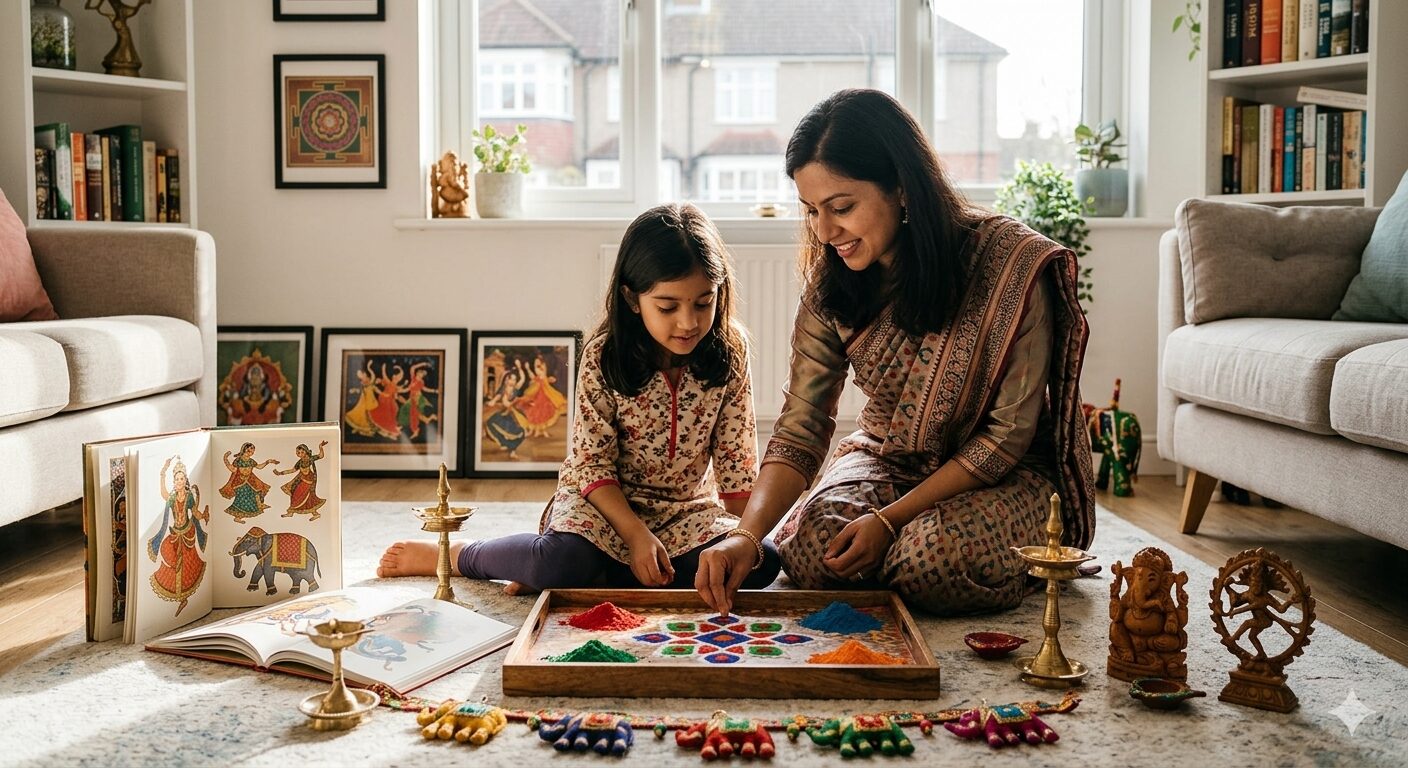
I grew up in an environment where culture often felt like a set of rules to follow; an identity we had to perform to gain approval from our community or to avoid making our elders feel disappointed. But as a coach who focuses on helping people live with more intention, I’ve realized I don’t want my heritage to feel like a chore for the next generation. I want reclaiming South Asian roots to be a meaningful choice they make because they see the value in it.
Yet, therein lies the paradox.
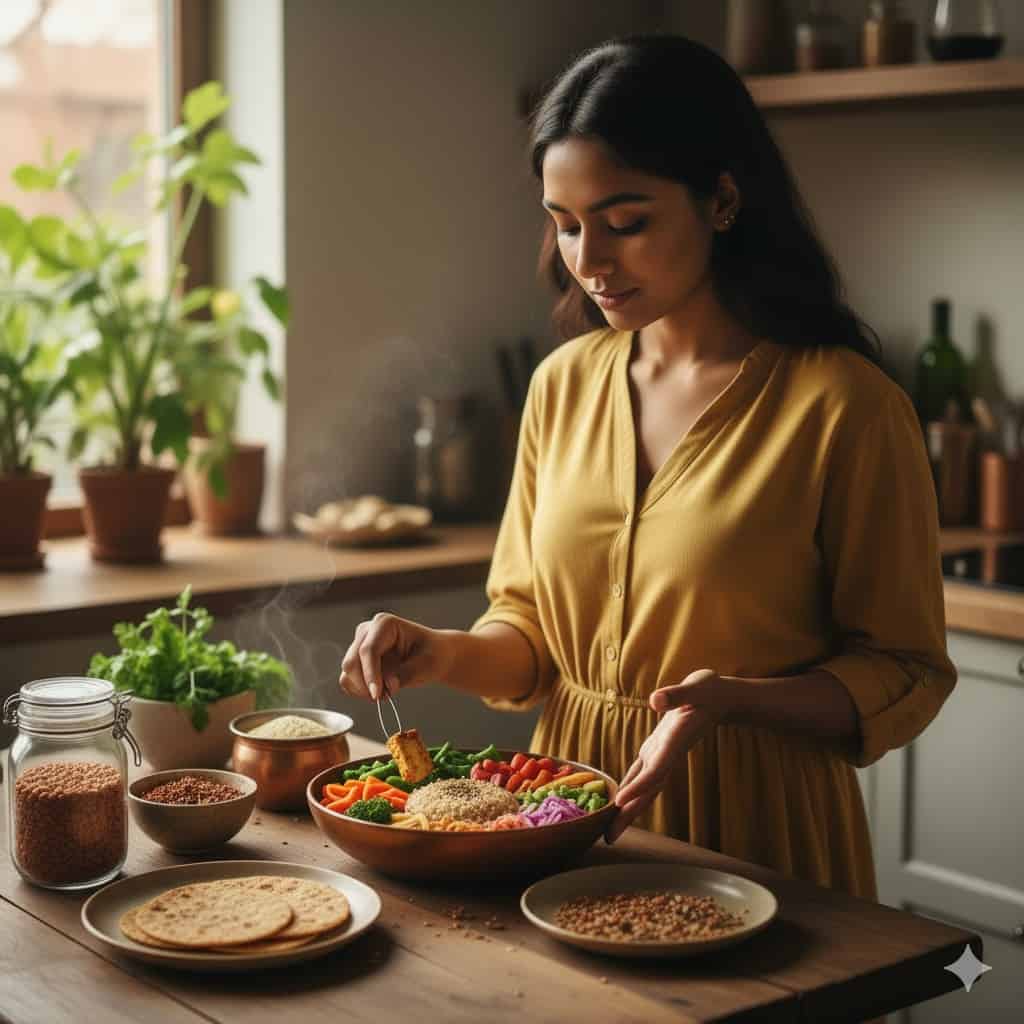
I feel a deep, soulful connection to my roots. I love the rhythmic joy of Garba, the beauty of our language, the wide breadth of desi cuisine, the deep philosophy within Hindu traditions, the warmth of our hospitality, and our focus on community. Because I love these things so much, the thought of them disappearing is painful.
How do we handle raising South Asian kids in the diaspora and preserve the beauty of these traditions without resorting to the “because I said so” method? How do we pass on a language like Gujarati or Hindi when English comes so much more naturally to us in our daily lives?
The Fear of the “Silent” Generation
There is a genuine fear that by giving our children the freedom to choose their own path, we are inadvertently letting centuries of tradition die on our watch.
We worry that an eight-year-old won’t care about the significance of a festival or the nuances of a vegetarian lifestyle. And yet, we also know that the twenty-five-year-old version of that same child might look back with a profound sense of loss. They might eventually wish we had pushed them just enough to keep that connection alive.
We are the bridge. And being the bridge is exhausting because we are trying to support the weight of two different worlds while making sure neither side falls away.
Shifting the South Asian Parenting Style
In the past, cultural preservation often relied on guilt. “Do this because it’s your duty.” “Do this because of what people will think.”
Living intentionally means we have to move away from that pressure. We have to move from Obligation to Invitation.
Teaching heritage to children with purpose means admitting that we cannot pass on every single thing perfectly. We have to be honest about what matters most. We have to decide which parts of our South Asian roots are vitals – the parts that radiate a sense of soul, community, and peace – and which parts are just “noise” or outdated social pressures.
As I begin to plan for a family, here are a couple of my intentions.
- Let Language be a Bridge, Not a Barrier: Even though Gujarati was my first language, English comes way more naturally to me. At times, I’ve been shamed for the way I speak the language. As a mother, I don’t intend to let my “broken mother tongue” stop the conversation. I’ll share the stories and values in English if it means keeping the meaning of traditions alive, but I won’t be too embarrassed to speak my language imperfectly. I will let it be the bridge for my kids.
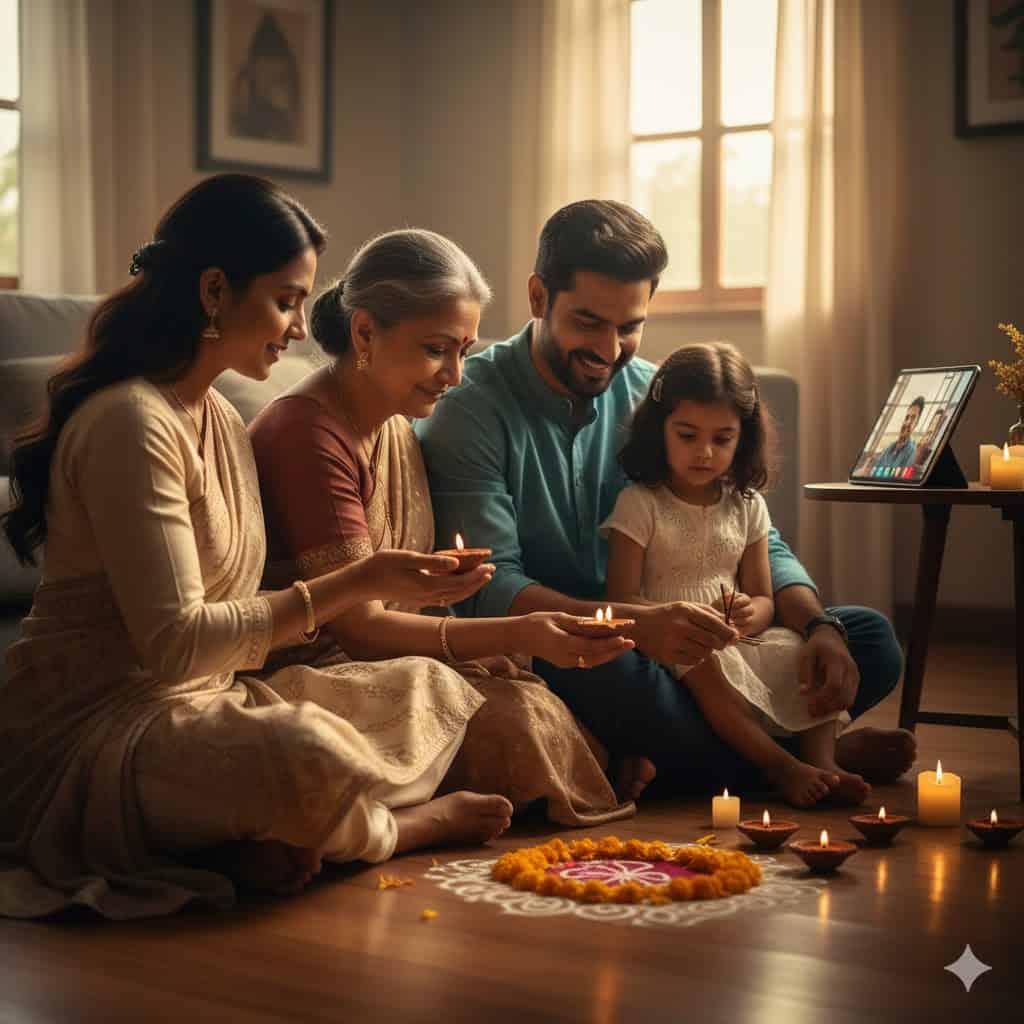
- Festivals as a Feeling, Not a Task: Instead of making a holiday feel like a rigid checklist of chores and rituals, I intend to treat them as a way to show the beauty of our community. I’ll show the next generation that our culture isn’t just about the “what” (the food or the clothes); it’s about the “how” (the hospitality, the spirituality, and the act of selfless service, or Seva).
Building a Foundation for Preserving Culture in the Diaspora
I like to think of culture as a foundation. You don’t force a house to stay standing; you build it so well and make it so beautiful that people want to live in it.
Our job isn’t to be the “Culture Police.” Our job is to be the guides who show the next generation why these traditions are worth keeping. If we want our children to appreciate a vegetarian lifestyle, they shouldn’t just see it as a list of things they can’t eat; they should see it as a compassionate way of living that aligns with their values. If we want them to love traditions like Garba, they shouldn’t feel like they are performing for an audience; they should feel the genuine joy of community and dance.
We have to accept that they will eventually create their own version of what it means to be “Desi.” It won’t look exactly like our parents’ version, and it might not even look exactly like ours. But if we anchor it in genuine love and meaning rather than social performance, the roots will hold.
The Alignment Action: Reclaiming South Asian Roots
This week, I invite you to look at the aspects of your heritage you are most afraid of losing.
- Identify what is non-negotiable: What are the three things that, if they were lost, would make you feel the most disconnected? (Is it the food? The community? The spiritual philosophy?).
- Check your approach: Are you sharing these things because they bring you joy, or because you feel like you “should”? The traditions you carry forward should be intentional.
- Take one small step: If you have kids, share one cultural story or practice this week with zero expectation. Simply offer it as a gift and a piece of history.
The truth is, we are not “failing” because we’ve lost some of our language or changed how we do things. We are pioneers. We are the ones figuring out how to keep the fire of our heritage burning without letting the pressure of old expectations put the flame out.
Subscribe to keep exploring how to live a life that honors your roots and your own voice every Thursday.
Trying to find your own balance between tradition and personal freedom? I help high-achievers design a life that honors their background without losing their own identity. Apply here for free coaching, and let’s build a legacy that feels like home.