Evolving South Asian Food with Intention
Are the foods we eat truly nourishing our bodies, or is it time to evolve? In this post, I explore how to modernize South Asian food — moving beyond heavy ghee and oils to create protein-rich, nourishing meals that honor our heritage without compromising our health.
✨ Food as Nourishment, Not Just Tradition
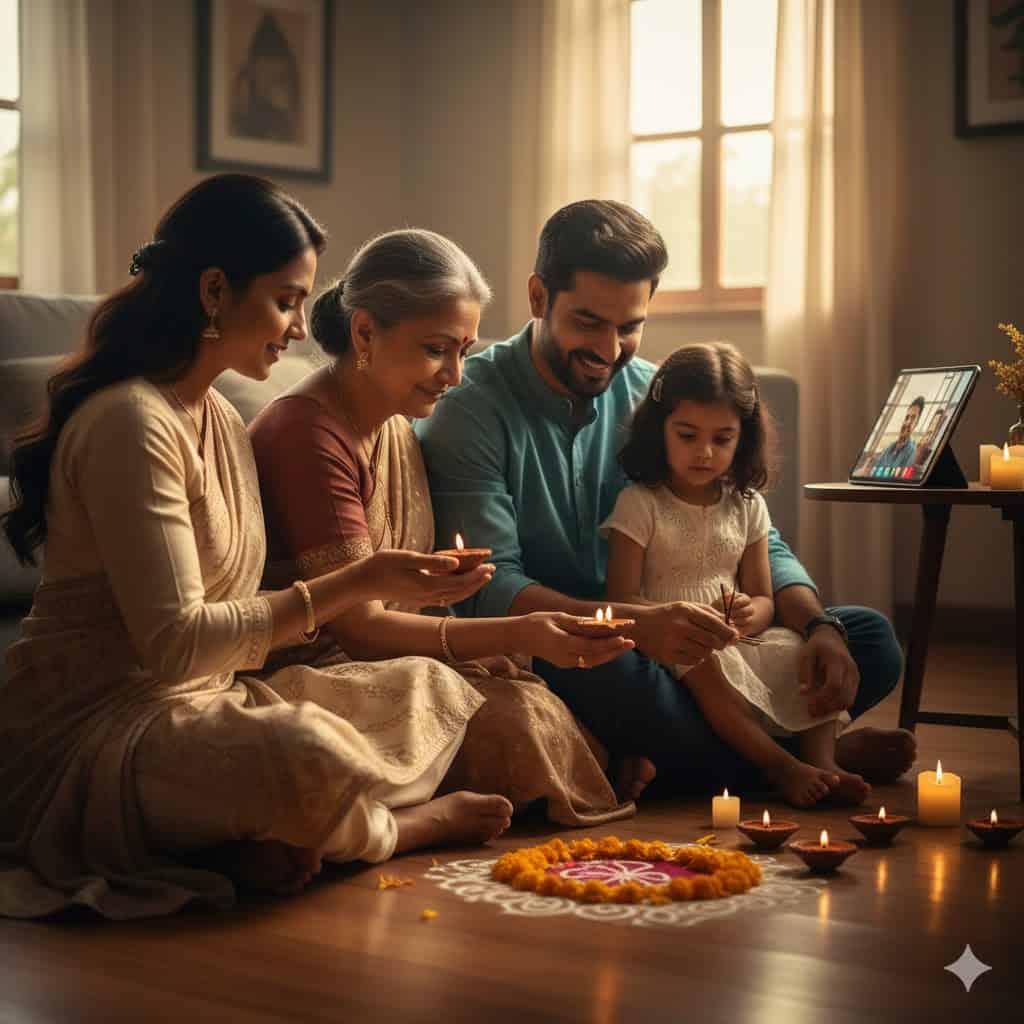
South Asian food is more than survival – it’s memory, family, culture, and celebration. Many of us cherish traditional recipes, but as we grow, intentional living invites us to pause and ask: Are the foods we eat truly nourishing our bodies and supporting the life we want, or is it time to evolve?
Last week, I shared how to align money with your values. This week, I want to explore something just as central to intentional living: food.
The Myth of “Unhealthy” South Asian Food
A few years ago, I stumbled on a Facebook post criticizing South Asian food as “too oily, too much ghee, not enough protein, and overcooked vegetables.” At first, I felt defensive — it hurt to see my culture dismissed so casually.
But reflection brought clarity. Her words were her truth. But my truth? South Asian food can be deeply nourishing, vibrant, and balanced when we approach it with mindfulness and intention. And much of that perspective comes from my mom.
3 Ways to Modernize Traditional Desi Recipes
When my mom immigrated to the U.S. in her twenties, she carried tradition with her – but never blindly. She followed one simple rule: keep what nourishes, let go of what doesn’t. (This approach to evolution is exactly how I learned to navigate Hindu traditions too)
1. Upgrade Your Grains (The “Healthy Roti” Swap)
Traditionally, rotis are made with whole wheat and all-purpose flour brushed with ghee. They are comforting but heavy.
My mom experimented by shifting to the alternative bhakhris and blending whole wheat with:
- Pearl millet (bajra)
- Finger millet (ragi)
- Chickpea flour (besan)
- Flax seeds
No ghee or direct flame exposure, yet all the flavor.
The result? Rotis that taste like tradition — warm and comforting — yet packed with the protein and fiber needed to fit the life we live today.
2. Prioritize Protein and Nutrients
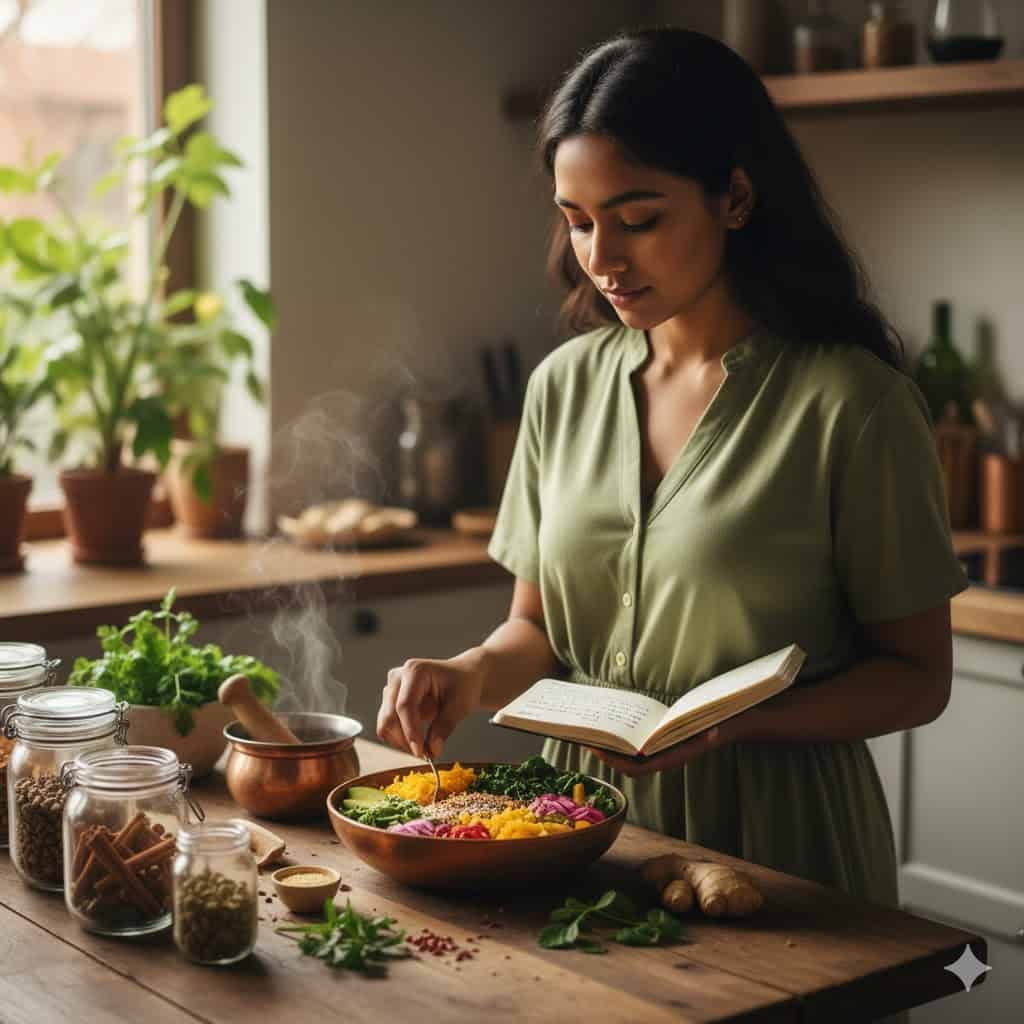
Instead of relying heavily on potatoes like many old-school recipes, she filled curries with green beans, carrots, cauliflower, broccoli, and leafy greens, making them highly nutritious. She cooked smartly, cutting veggies into consistent sizes, sautéing instead of boiling, and adding them to the pan in a specific order to prevent overcooking.
3. Reimagining Comfort Food
Her khichdi used brown rice and a higher lentil-to-rice ratio, with a variety of lentils added for protein and a variety of veggies for even more nutrition. Always low oil, yet always comforting. A bowl of her Gujarati khichdi has been, and always will be, my ultimate comfort food.
And voila! Healthy desi food that not only honors tradition but gives you the energy, clarity, and freedom to live intentionally. Not too oily, not overloaded with ghee, packed with protein, and full of perfectly cooked vegetables.
What Intentional South Asian Food Taught Me
Looking back, I see how my mom modeled intentional living long before I had words for it.
Watching her, I realized that honoring our roots doesn’t mean staying stuck in the past. Modernized South Asian food can nourish body and soul, if we approach it thoughtfully.
Now I strive to emulate my mom’s cooking style, adapting traditional recipes to fit my lifestyle today, like swapping dahi for Greek yogurt to add protein without losing the creamy texture I love.
When I remember that critical post I saw years ago, I no longer feel defensive. Instead, I feel grateful, because it pushed me to realize that South Asian food can be one of the healthiest, most nourishing cuisines out there. All it takes is reflection and a willingness to adapt.
Navigating Cultural Food Pressure in South Asian Homes
So much of our relationship with food isn’t just shaped by ingredients or cooking methods – it’s shaped by culture.
In South Asian homes, food is one of the primary ways we show care. Love often arrives in the form of a full plate, a second serving, or a host quietly refilling your bowl before you’ve even finished the first.
Because food is tied to affection, saying “I’m good” can feel like you’re rejecting the love, not the extra helping. Many of us end up eating past fullness simply to reassure the host that we’re enjoying the meal.
But mindful eating habits have taught me that we can receive the intention while choosing what truly nourishes us. We don’t have to overeat to be respectful. We don’t have to say yes out of habit.
That gentle boundary is part of evolving with intention – keeping the warmth of our culture while letting go of the parts that no longer serve our wellbeing.
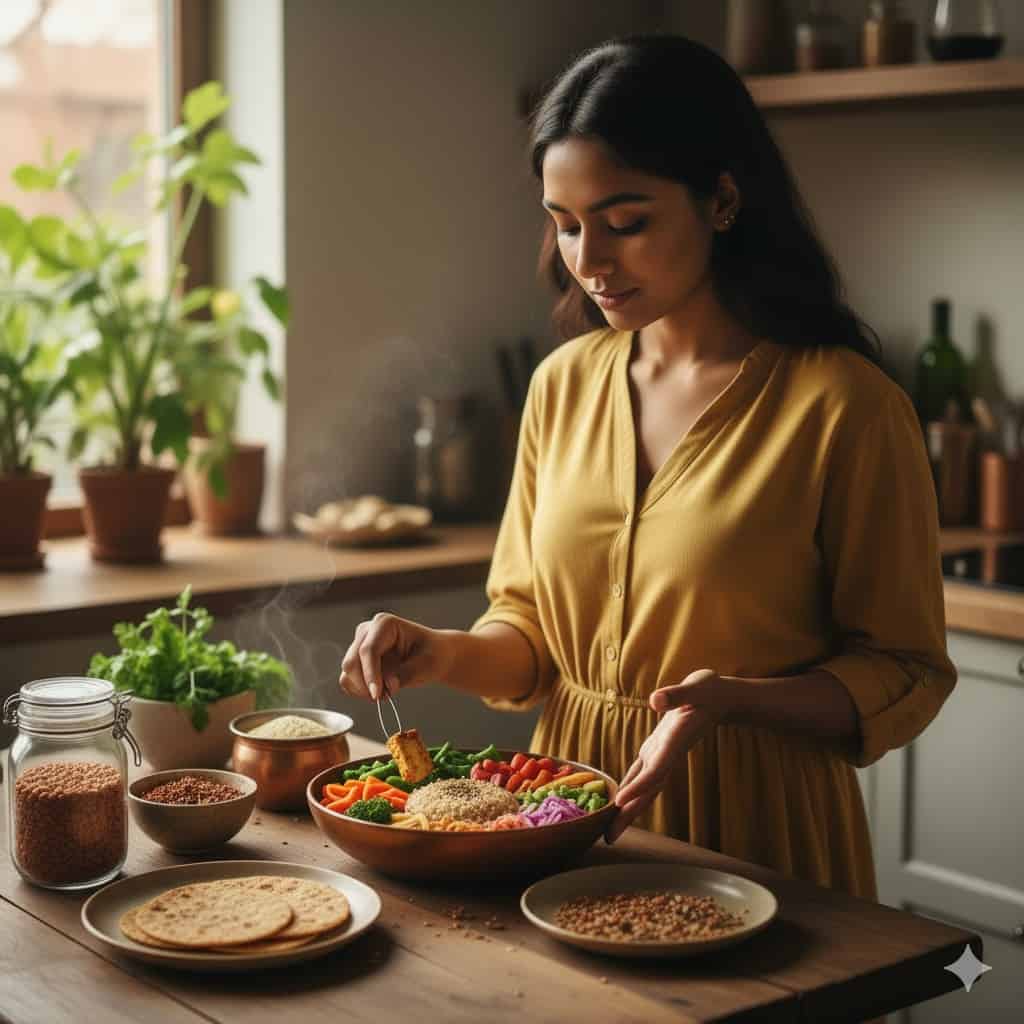
5 Ways to Practice Mindful Eating Habits with South Asian Food
If you are looking to honor your roots while staying healthy, keep these 5 takeaways in mind:
- Be intentional. Pause and ask if your food choices reflect your values, health, and priorities.
- Keep what nourishes. Hold onto traditional recipes that fuel your body and bring joy. You don’t need to overhaul all our food habits.
- Adapt what doesn’t. Make small, thoughtful changes – less ghee, more protein, extra veggies or adapting the way that you cook – so your meals support your health, values, and lifestyle.
- Master your cooking methods, Sauté or steam veggies instead of deep-frying or over-boiling to maintain their “vibrancy.”
- Own your choices. Honor your culture and family while creating meals that fit the life you actually want.
🌸 Living (and Eating) with Intention
Intentional living always comes back to one question: Does this serve me?
When it comes to food, that means honoring the traditions that nourish us and reimagining the ones that don’t. Just like with Ayurveda, the right meals can fuel your energy, sharpen your mind, and give you the freedom to spend your time on what matters most. It’s not about restriction — it’s about mindful, joyful choices.
Own every choice on your plate. Make it nourishing, make it joyful, make it truly yours.
Check out Radhi Devlukia’s JoyFull for delicious and well-balanced plant-based recipes rooted in South Asian heritage.
Next week, I’ll share a crucial piece of the puzzle: how I learned to align my time with my values so I’m no longer living on autopilot.
💌 Stay Inspired: If you enjoyed this post, Subscribe below to get my FREE 7-day Intentional Living Workbook and future reflections and practical tips on Everyday Intentional Living — helping you build a life that aligns with your values – from finances and food to time management and gratitude!